+86 10 8760 0388 ,+86 132 4154 3270
MON–SAT:08:00–18:00
Choosing a reliable Vibration Stainless Steel Sheet Manufacturer matters when a project needs both visual texture and long-term corrosion resistance. A custom vibration stainless steel sheet manufacturer can match sheet grade, thickness, texture, and size to the project instead of offering a one-size-fits-all finish. For architects and fabricators comparing an architectural vibration finish stainless steel supplier, the key questions are simple: Will the pattern stay consistent? Can the sheets be cut without losing the design? Does the material meet the required stainless steel standard?
Vibration stainless steel is used in wall panels, elevator interiors, doors, columns, counters, signs, and other areas where a plain mirror or linear brushed finish may look too ordinary. This guide explains the material, production process, quality checks, applications, and buying steps in clear terms.

A vibration stainless steel sheet is a decorative metal sheet treated with controlled abrasive movement. The machine creates overlapping, non-directional lines or swirls across the surface. These marks form a textured pattern that can reduce the visual impact of small scratches, fingerprints, and changes in viewing angle.
In the industry, the finish may be described as a vibration finish, random orbital finish, or non-directional decorative finish. The exact appearance depends on several production factors:
Stainless steel contains at least 10.5% chromium under the widely used technical definition of stainless steel. Chromium helps form a thin passive oxide layer that protects the metal from many forms of corrosion. This does not mean every stainless steel grade is suitable for every environment. Chlorides, acids, high humidity, and poor cleaning practices can still cause staining or corrosion.
For technical requirements, buyers can refer to , which covers general requirements for flat-rolled stainless and heat-resisting steel plate, sheet, and strip. Decorative appearance should also be confirmed with a physical sample because terms such as “vibration” do not describe one universal pattern.
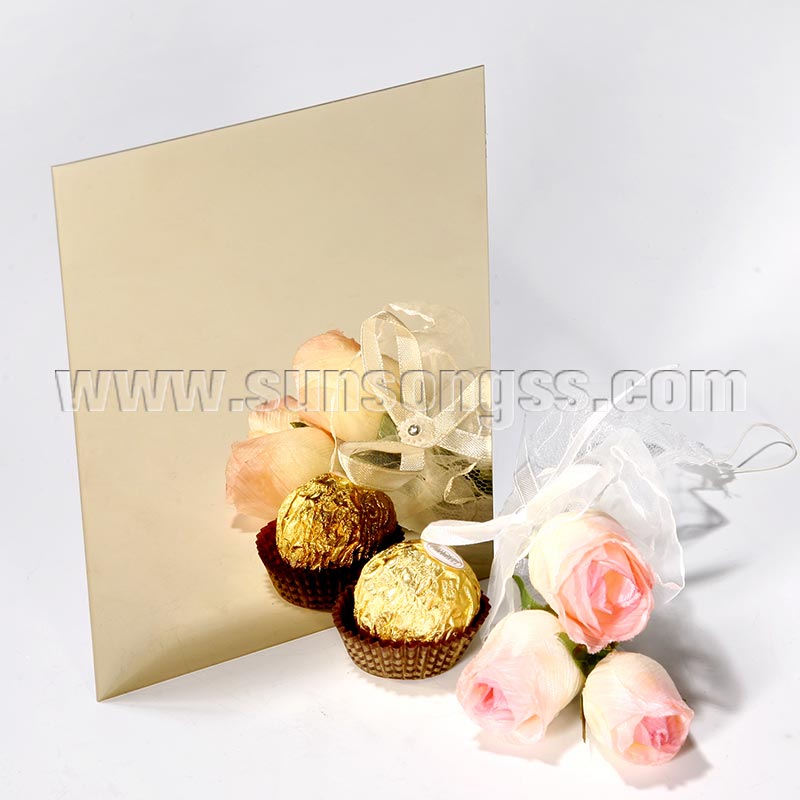
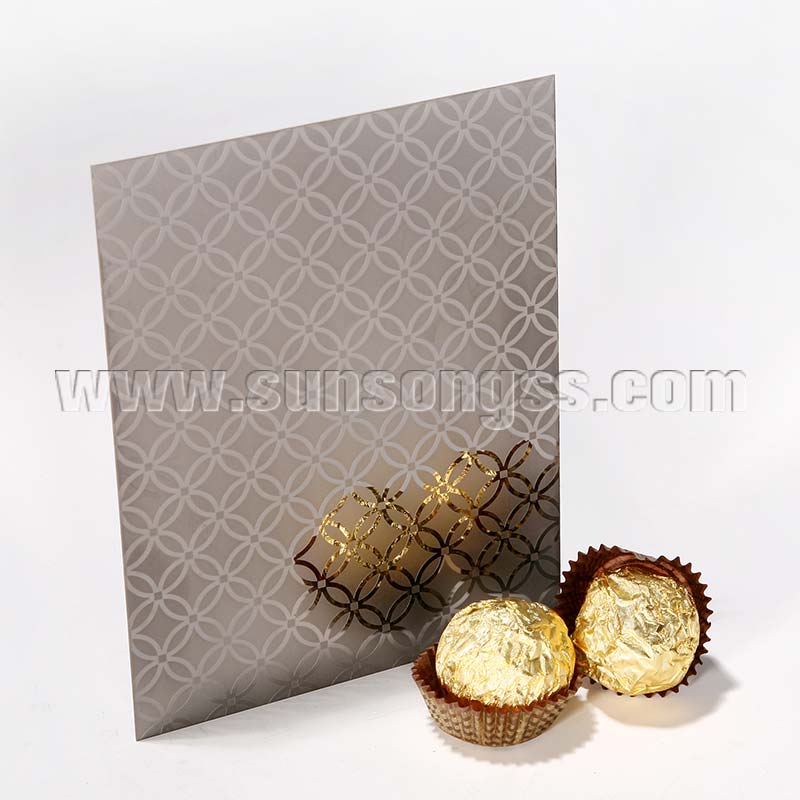
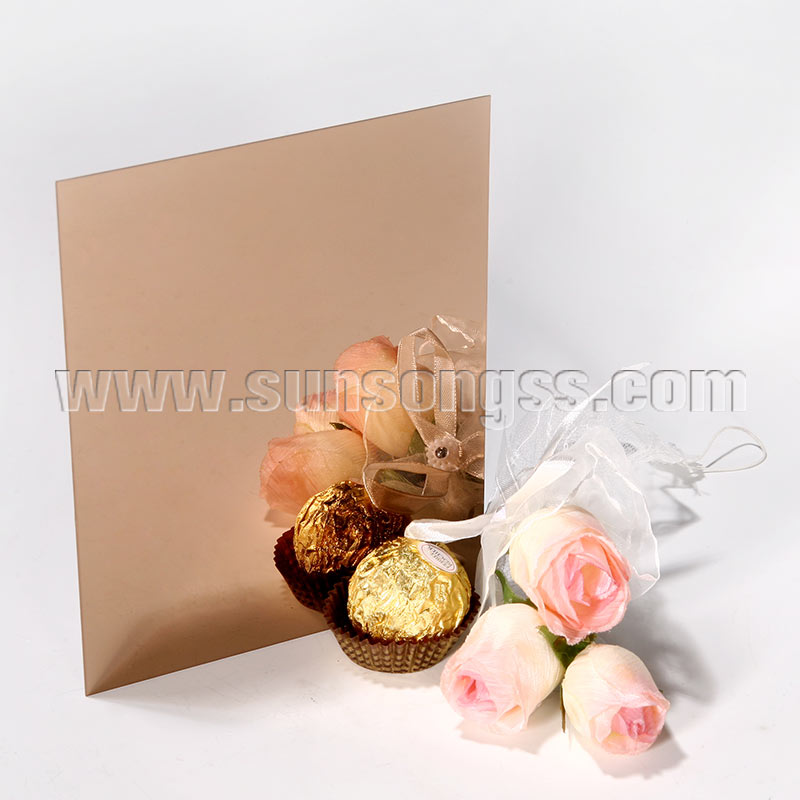
Example of a decorative vibration stainless steel surface supplied by SUNSONG.
Different finishing methods create different visual and maintenance results. A vibration finish is usually selected for its random surface movement and ability to hide minor marks from several viewing directions.
| Finish type | Surface appearance | Common project concern | Typical use |
|---|---|---|---|
| Vibration | Overlapping random lines or circular movement | Pattern consistency between sheets | Elevators, wall panels, doors, feature areas |
| Brushed No. 4 | Visible directional straight lines | Joining sheets in the same direction | Kitchen equipment, commercial interiors, machinery covers |
| Hairline | Fine, long, continuous lines | Surface can show scratches along the grain | Premium architectural panels and furniture |
| Mirror | Highly reflective surface | Fingerprints and small marks are easy to see | Decorative walls, signs, luxury interiors |
| Bead blasted | Uniform matte texture | Surface may require strict cleaning control | Modern interiors, equipment covers, architectural details |
The vibration pattern is not a replacement for corrosion-resistant stainless steel selection. It is a surface treatment. The sheet grade, edge condition, thickness, fabrication method, and installation environment still determine the final performance.
A professional manufacturer normally controls the process from raw material inspection to final packing. The exact machine settings may be different from one factory to another, but the main workflow is similar.
Grade 304 is widely used for indoor architectural work and general commercial applications. Grade 316L contains molybdenum and is often selected for areas with higher chloride exposure, such as coastal locations, pool environments, and some chemical or food-processing areas.
Grade selection should be based on exposure, cleaning chemicals, temperature, and local project specifications. A decorative finish cannot compensate for an unsuitable alloy.
The factory checks the sheet for thickness, flatness, pits, deep scratches, oil, and edge damage. Defects under the surface may become more visible after abrasive finishing. A consistent starting surface helps reduce shade differences between production batches.
Abrasive tools move across the sheet in controlled overlapping paths. Operators adjust pressure, speed, abrasive grade, and pass count to create the requested pattern. The goal is not simply to make random scratches. It is to produce a balanced texture with a similar visual density across the full sheet.
Decorative metal should be viewed under the lighting used in the final project. Bright spotlights, daylight, and side lighting can show different levels of pattern contrast. A sample approval is important because photographs and computer screens cannot fully reproduce metallic reflection.
After finishing, the sheet is cleaned to remove abrasive residue and dust. Protective film may be applied before cutting, shipping, or installation. The film should be removed according to the supplier’s instructions because long exposure to heat or sunlight can make adhesive residue harder to remove.
Sheets should be separated and secured against rubbing, moisture, and impact. Export projects may need stronger edge protection and moisture-resistant packaging. Packaging instructions should be agreed before production, especially for large sheets or long-distance shipping.
The lowest unit price does not always produce the lowest project cost. A supplier that cannot control shade, size, or packaging may create installation delays and material waste. Use the following checks before placing an order.
Your request should include:
Request a sample that shows the actual vibration pattern, brightness, texture density, and color. If several sheets will be installed side by side, ask how the manufacturer controls batch-to-batch appearance. For large projects, approve a larger mock-up rather than relying on a small hand sample alone.
Ask whether the supplier records grade, thickness, dimensions, and surface inspection results. For critical projects, the purchase order can define measurable acceptance points, including:
ASTM standards can support the base material specification, but decorative appearance normally requires an agreed sample or approved limit sample. The organization also provides technical information on stainless steel grades, corrosion resistance, fabrication, and sustainability.
If the supplier also provides cutting or forming, confirm how the vibration pattern will be managed during fabrication. Cutting can expose a new edge, while bending can change how light reflects from the sheet. A qualified supplier should explain whether the pattern will continue across connected parts or whether a separate finishing step is required.
Elevator cabins receive frequent contact from passengers, luggage, carts, and cleaning tools. A non-directional texture can make small surface marks less noticeable than they may be on a high-gloss mirror finish. Panels should still be cleaned with products suitable for stainless steel and should not be scrubbed with carbon-steel tools.
Vibration stainless steel is used as a feature material in offices, hotels, airports, retail stores, restaurants, and public buildings. The pattern catches light without creating the strong reflection of a mirror sheet. Large panels require careful matching at seams and corners.
Door panels and entrance surrounds may be exposed to fingerprints and repeated contact. The textured appearance can support a cleaner visual effect between maintenance cycles. Door hardware, adhesives, and sealants must be checked for chemical compatibility with stainless steel.
Reception desks, service counters, display tables, and furniture trim may use vibration stainless steel to add a metal accent. The sheet should be selected according to the actual contact level. Decorative sheet is not automatically suitable for cutting surfaces or equipment exposed to aggressive chemicals.
The finish can create a premium background for letters, logos, and illuminated signs. Designers should test the contrast between the sheet texture and the sign material under the intended lighting. A sample board can show whether the texture is too bright, too dark, or too active for the brand design.
For coastal buildings, cruise ships, pool areas, and humid locations, alloy selection and maintenance are especially important. 316L may be considered where chloride exposure is higher, but the final specification should be reviewed by the project engineer. Standing water, salt deposits, and contaminated tools can still damage the surface.
The overlapping texture gives the surface a controlled decorative appearance. When production parameters are stable, the finish can provide a consistent look across multiple sheets.
A random pattern breaks up direct reflection. As a result, small fingerprints or light marks may be less obvious than on a mirror finish. This is a visual benefit, not a claim that the sheet cannot be scratched.
The finish can be combined with different stainless steel grades, thicknesses, colors, laser-cut designs, embossed elements, and fabricated shapes. The best combination depends on the installation method and required performance.
Stainless steel does not need paint to create its basic metallic appearance. Routine cleaning normally uses a soft cloth and a suitable neutral cleaner. Avoid chloride-rich cleaners, abrasive powders, steel wool, and tools that can transfer iron particles.
Stainless steel is used in architecture, transport, food processing, and industrial equipment because its passive chromium-oxide layer can reform when the surface is clean and exposed to oxygen. The service life still depends on grade, environment, design, drainage, cleaning, and installation quality.
Use tools that are clean and suitable for stainless steel. Do not allow carbon-steel dust or grinding debris to settle on the surface. Iron contamination can create brown rust marks even when the stainless steel itself has good corrosion resistance.
When sheets are joined, keep the visual pattern and reflection consistent. A panel rotated 90 degrees may look different under the same light. Mark the back of each sheet during layout to prevent accidental rotation.
Always test a cleaning chemical on an unseen area first. For healthcare, food, marine, or industrial environments, follow the site’s approved cleaning procedure and the stainless steel supplier’s instructions.
Cause: The sample was too small, or the order did not define pattern density and shade.
Solution: Approve a physical limit sample or larger mock-up. Add the sample code and visual requirements to the purchase order.
Cause: Panels were rotated, produced in different batches, or viewed under changing light.
Solution: Create a panel layout plan. Keep batch numbers together where possible and inspect the material under project lighting.
Cause: Carbon-steel contamination, salt deposits, unsuitable chemicals, or poor drainage.
Solution: Keep stainless steel tools and carbon-steel tools separate. Clean contamination quickly and ask a technical specialist to recommend a safe treatment.
Cause: Film remained on the sheet too long or was exposed to heat and sunlight.
Solution: Confirm the film type, storage limit, and removal method before delivery. Remove film in sections and clean adhesive residue with an approved product.
Cause: The buyer selected the grade based only on appearance or price.
Solution: Review chloride exposure, humidity, cleaning agents, temperature, and contact with other metals before selecting 304, 316L, or another grade.
Use this checklist when comparing SUNSONG or another supplier:
| Check | What to request |
|---|---|
| Material | Grade confirmation and material test documents when required |
| Dimensions | Thickness, width, length, tolerance, and flatness requirements |
| Finish | Physical sample, finish code, and acceptable appearance range |
| Fabrication | Cutting, bending, drilling, edge, and corner requirements |
| Protection | Protective film specification and removal instructions |
| Inspection | Final inspection process, photos, and packing records |
| Delivery | Production time, shipping terms, labels, and damage claim process |
No. Brushed stainless steel usually has directional lines, while vibration stainless steel has overlapping, less-directional marks. The exact pattern differs by manufacturer, so a sample should be approved before production.
304 is common for indoor architectural applications. 316L may be more suitable for higher chloride or coastal exposure. The correct grade depends on the environment, cleaning chemicals, and project specifications.
Yes, it can be used outdoors when the grade, design, drainage, fasteners, and maintenance plan are suitable. Outdoor exposure to salt, pollution, and standing water requires more careful specification than a dry indoor application.
No. The finish can make some minor marks less visible, but it does not make the surface scratch-proof. Heavy contact, sharp objects, abrasive cleaning, and incorrect handling can still damage it.
In many projects, vibration stainless steel sheets can be cut, drilled, and formed. However, fabrication can change the reflection or interrupt the pattern. Confirm the fabrication sequence with the manufacturer before processing.
Use a soft cloth, clean water, and a compatible mild cleaner. Remove salt, dust, and chemical residue before they dry. Do not use steel wool, carbon-steel brushes, or unapproved chloride-based cleaners.
Metallic surfaces reflect light differently according to viewing angle and lighting. A sample allows the buyer to check pattern density, brightness, shade, and compatibility with nearby materials before committing to the full quantity.
Contact SUNSONG with the required grade, thickness, sheet size, finish sample, quantity, application, and delivery location. The supplier can then confirm available specifications, production details, surface protection, and packaging options.
Start with the application rather than the appearance alone. Record the environment, contact level, cleaning method, sheet size, and installation design. Then request a physical sample, confirm the stainless steel grade, review the manufacturer’s quality controls, and approve the packaging method.
For a project that needs a dependable decorative surface, compare SUNSONG with your technical requirements and request a finish sample before ordering. A clear specification helps you choose the right brushed vibration stainless steel panel supplier, reduce material waste, and achieve a consistent result from the first sheet to the final installation.

Visit Us:


Call Us:
Copyright © Beijing Shenghe Zhongtai Stainless Steel Co., Ltd. All Rights Reserved | Sitemap
Technical Support: