+86 10 8760 0388 ,+86 132 4154 3270
MON–SAT:08:00–18:00

Stainless steel sheets for hotel and commercial building interiors help designers create clean, durable, and easy-to-maintain surfaces. High traffic, cleaning chemicals, moisture, and daily impact can quickly damage painted steel, wood, and low-quality metal panels. The right stainless steel grade, surface finish, thickness, and fabrication method can reduce these risks. Common design goals include corrosion resistance, decorative metal panels, and architectural wall cladding. A hotel lobby may receive thousands of touches each week, while elevator doors and lift surrounds face repeated contact with luggage and cleaning tools. This makes surface durability a key part of the material selection process.
Many buyers also need a material that supports hygienic surfaces, fire safety, and simple maintenance. Stainless steel can meet these needs when the sheet is correctly specified and installed. The main question is not whether stainless steel looks attractive. The main question is which stainless steel sheet will provide the required service life, appearance, and cost control for the building.
Stainless steel sheets are a strong choice for hotel and commercial building interiors because they resist corrosion, tolerate frequent cleaning, and provide a long service life. Grade 304 is suitable for most indoor areas, while grade 316 is better for coastal locations, swimming pool areas, kitchens, and spaces exposed to chloride cleaners. A sheet thickness of 0.8 mm to 1.5 mm is common for wall panels, elevator interiors, and column covers. Select the finish, thickness, edge treatment, and fabrication method according to traffic level, lighting, cleaning requirements, and installation design.
Hotels and commercial buildings require daily cleaning. Stainless steel contains chromium, which forms a thin passive surface layer that helps protect the metal from corrosion. Grade 304 stainless steel contains about 18 percent chromium and 8 percent nickel. Grade 316 stainless steel contains molybdenum, which improves resistance to chloride exposure.
Grade 304 is often used for:
Grade 316 is more suitable for:
A stainless steel interior panel does not need regular repainting. Its surface can remain functional for many years when it is cleaned with suitable products and protected from abrasive damage. This can reduce maintenance labor and replacement waste over the life of the building.
For high-use locations, buyers should review the following technical values:
| Item | Common specification | Why it matters |
|---|---|---|
| Sheet thickness | 0.8 mm to 1.5 mm for many interior panels | Controls stiffness, weight, and dent resistance |
| Width | Up to about 1500 mm for many standard supply programs | Reduces the number of joints on large walls |
| Length | Cut-to-length according to the panel design | Reduces site cutting and material waste |
| Surface roughness | About Ra 0.2 um to Ra 1.0 um, depending on finish | Supports appearance and cleaning performance |
| Flatness | Specified under ASTM A480 or EN 10088 requirements | Helps prevent visible waves after installation |
| Material grades | 304, 316, 430, and other approved grades | Matches corrosion, cost, and design needs |
304 stainless steel is the most common choice for indoor architectural applications. It offers a balance of corrosion resistance, formability, weldability, and price. It is suitable for normal hotel and commercial building interiors where salt exposure is limited.
Typical uses include brushed stainless steel wall panels, elevator interiors, column covers, door trims, and decorative ceiling sections. For visible areas, the material certificate should confirm the grade and chemical composition. The product should also meet a recognized standard such as ASTM A240 or EN 10088-2.
316 stainless steel offers stronger resistance to chloride corrosion than 304 stainless steel. It is a better option for coastal buildings and interiors near pools or wet rooms. The added molybdenum increases material cost, so it should be used where the exposure justifies the upgrade.
Grade 316 is often specified for long-term performance in:
430 stainless steel is a ferritic grade with lower nickel content. It can provide a lower purchase cost and good appearance for dry indoor areas. It is less suitable for high-chloride locations and areas that remain wet for long periods.
| Grade | Typical chromium content | Recommended interior use | Limit |
|---|---|---|---|
| 304 | About 18 percent | General hotel and commercial interiors | Less suitable for high chloride exposure |
| 316 | About 16 to 18 percent, plus molybdenum | Coastal, pool, spa, and kitchen areas | Higher material cost |
| 430 | About 16 to 18 percent | Dry decorative panels and indoor trims | Lower resistance in wet or salty areas |
A brushed stainless steel finish uses controlled abrasion to create a directional grain. Common finishes include No. 4 and hairline. Brushed surfaces help reduce the visual impact of small marks and fingerprints. The grain direction must remain consistent across connected panels.
Hairline finishes can have a surface roughness near Ra 0.2 um to Ra 0.4 um, depending on the production method. No. 4 finishes are often slightly more textured. The buyer should approve a physical sample before mass production because finish appearance can vary between production lots.
Mirror stainless steel has a highly reflective surface. It can make a lobby, elevator, or retail area appear larger. However, it shows fingerprints, scratches, and uneven installation more clearly than brushed material.
Mirror panels require:
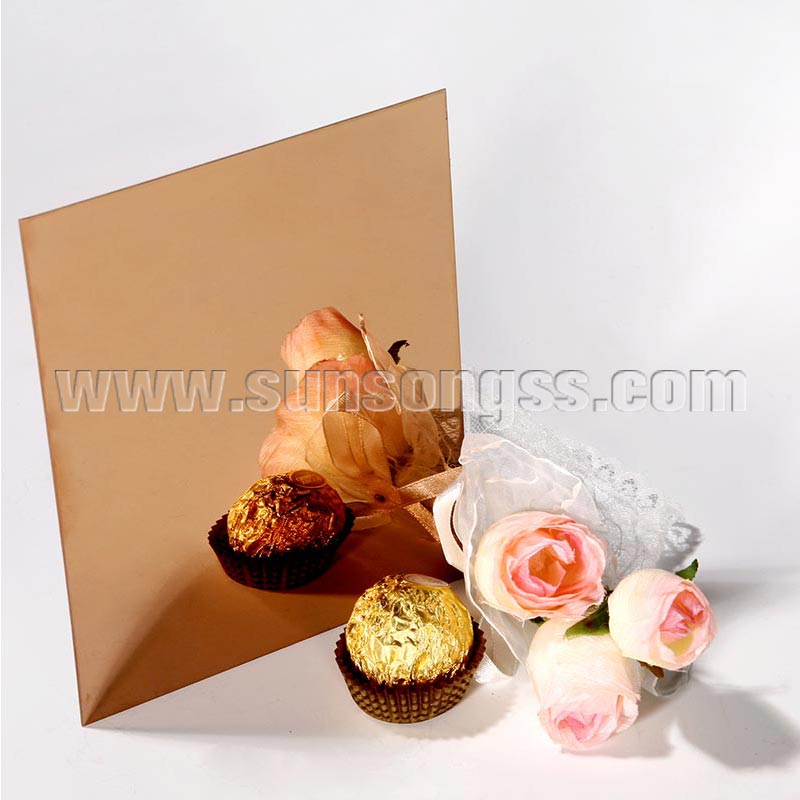
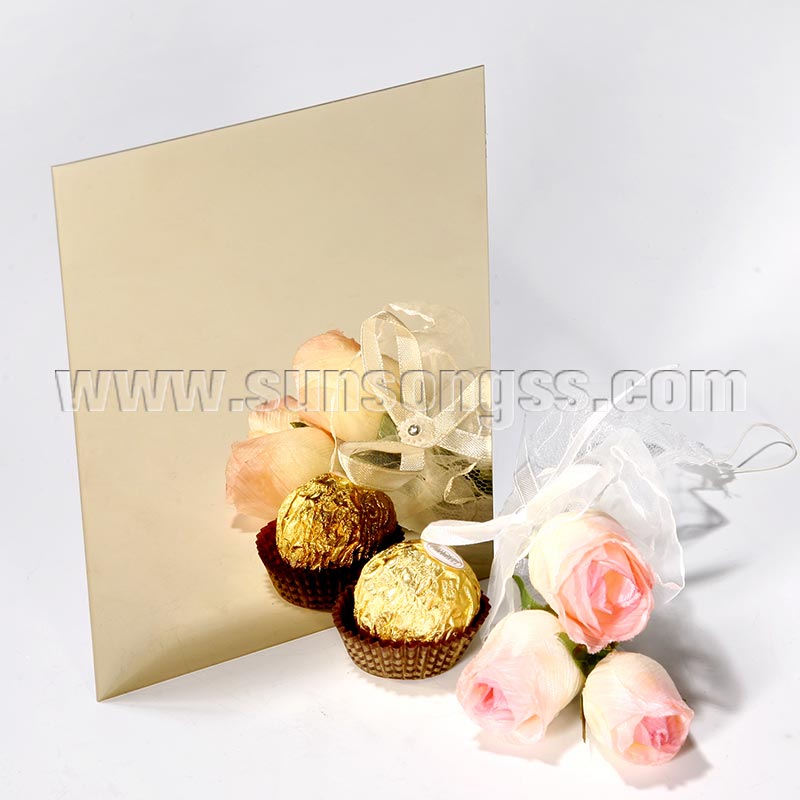
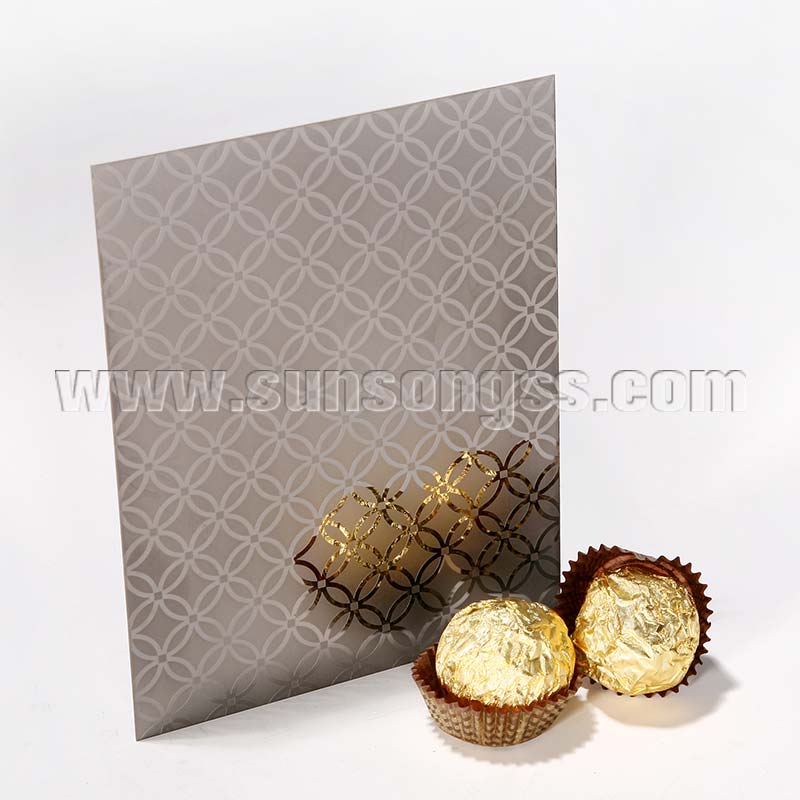
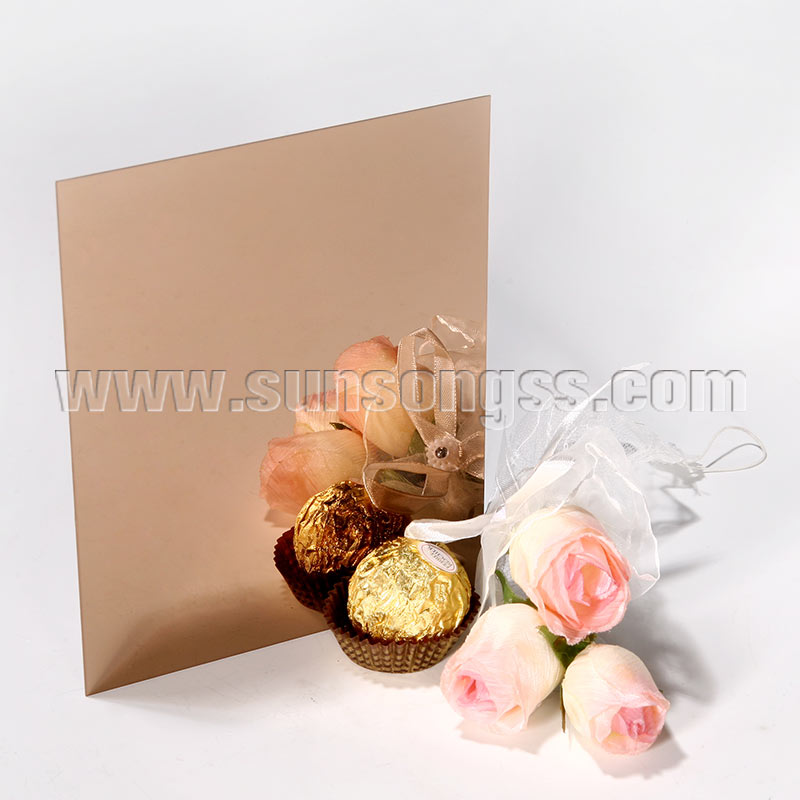
Physical vapor deposition, also called PVD, can add colors such as gold, black, bronze, and rose gold. Embossed or etched patterns can add texture without using paint. The finish should be tested for adhesion, abrasion, and cleaning resistance before approval.
For a commercial project, ask for test results that cover at least the following points:
| Test | Example evaluation | Project value |
|---|---|---|
| Cross-cut adhesion | ISO 2409 classification, when applicable to a coated surface | Checks whether the coating stays attached |
| Surface abrasion | Fixed load and cycle count agreed before production | Shows resistance to repeated contact |
| Cleaning resistance | Exposure to the planned cleaner for a set time | Checks color and gloss stability |
| Salt spray testing | ASTM B117 duration set by the project specification | Useful for evaluating coated samples |
| Color comparison | Instrument reading against an approved sample | Reduces visible batch differences |
Thickness depends on panel size, support spacing, impact risk, folding design, and installation method. A 0.8 mm sheet may work for a supported decorative panel. A 1.2 mm or 1.5 mm sheet may provide better stiffness for large wall panels, elevator interiors, and column covers.
Thin sheet is lighter and easier to form. Thicker sheet offers greater resistance to dents and vibration. The final decision should consider the complete panel system, not only the stainless steel sheet.
| Application | Common thickness range | Important design point |
|---|---|---|
| Decorative trim | 0.5 mm to 0.8 mm | Needs solid backing or careful forming |
| Interior wall panels | 0.8 mm to 1.2 mm | Check support spacing and joint design |
| Elevator interior panels | 1.0 mm to 1.5 mm | Allow for frequent impact and cleaning |
| Column covers | 0.8 mm to 1.5 mm | Use accurate rolling or brake forming |
| Countertops and heavy-use surfaces | 1.2 mm to 2.0 mm | Provide strong support below the sheet |
Stainless steel sheets can be cut, bent, welded, rolled, perforated, etched, and formed into custom panels. CNC laser cutting can produce accurate openings for lights, sockets, signs, and ventilation grilles. Brake forming creates clean folds for corners and returns.
Welded seams should be ground and polished to match the surrounding finish. Heat tint should be removed because it can reduce corrosion resistance. A passivation process can help restore the protective surface after welding.
SUNSONG can organize stainless steel sheet production around documented checkpoints. A practical inspection plan should use measurable values rather than visual approval alone.
For large hotel projects, inspection sampling can be set by lot size. A project may require 100 percent visual inspection, dimensional checks on every panel, and additional tests on one or more samples from each production batch. The exact sampling plan should be agreed before production.
ASTM A240 is commonly used for chromium and chromium-nickel stainless steel plate, sheet, and strip. ASTM A480 covers general requirements for flat-rolled stainless steel products. EN 10088-2 is widely used for stainless steel sheet and plate in European projects.
Inspection records should include:
Interior stainless steel should not have sharp edges. Folded returns and exposed corners should be deburred or polished. Panels near public walkways should be checked for snag points and unsafe projections.
Where fire performance is required, the complete wall or ceiling system should be tested. A stainless steel face sheet alone does not determine the fire rating of the full assembly. ASTM E84 or the local equivalent may apply to the complete system, including the core, adhesive, backing, and support structure.
| Material | Strength | Weakness | Best use |
|---|---|---|---|
| Stainless steel | Corrosion resistance, clean appearance, long service life | Higher initial cost than painted sheet | High-traffic walls, elevators, counters, and wet areas |
| Painted steel | Low initial cost and many colors | Paint can chip, scratch, or require repair | Dry areas with lower contact levels |
| Aluminum | Light weight and easy forming | Can dent more easily in some applications | Lightweight wall and ceiling systems |
| Laminate panel | Many patterns and low material cost | Edges and joints may be affected by moisture | Dry decorative wall areas |
| Glass | Reflective appearance and visual openness | Breakage risk and higher cleaning demand | Feature walls and decorative sections |
Use a soft cloth, clean water, and a mild detergent for routine cleaning. Wipe in the direction of the grain on brushed stainless steel. Dry the surface after cleaning to reduce water spots.
Avoid steel wool, carbon steel brushes, chloride bleach, and abrasive powders. These products can create scratches or introduce iron particles that cause surface staining.
For fingerprints, use a neutral cleaner or a product approved for stainless steel. Apply the cleaner to the cloth instead of spraying large amounts directly onto the panel. Test any new chemical on a hidden area first.
| Area | Suggested inspection frequency | Maintenance action |
|---|---|---|
| Elevator interiors | Daily visual check | Remove fingerprints and inspect for scratches |
| Hotel lobby panels | Weekly detailed cleaning | Clean grain direction and check joints |
| Pool and spa areas | At least weekly, or more often based on exposure | Remove deposits and check for chloride staining |
| Commercial kitchens | Daily cleaning and monthly detailed inspection | Remove grease and check welds and corners |
| Low-traffic office areas | Monthly visual inspection | Clean surfaces and review damage |
The price of stainless steel sheets depends on more than the metal grade. Buyers should review the full cost of material, finish, fabrication, packing, delivery, and installation.
For a fair quotation, provide the grade, thickness, dimensions, finish, quantity, fabrication drawings, packing method, and delivery location. A clear specification makes supplier prices easier to compare.
A suitable Stainless Steel Sheets Manufacturer should be able to control rolling, cutting, polishing, forming, welding, and packing. Ask whether the supplier can maintain the same finish across the full project quantity. This is important for connected wall panels and elevator interiors.
Request a material certificate, dimensional report, surface inspection record, and test report when applicable. The supplier should identify the production batch and retain records for later review.
Interior projects often need more than standard sheet supply. They may require sample development, bend trials, corner testing, coating tests, and installation mock-ups. SUNSONG can use a controlled development process with documented sample versions, measured finish values, and trial assemblies before mass production.
A useful development plan may include:
This process helps identify problems before hundreds of panels reach the construction site. It also gives the hotel owner, designer, contractor, and manufacturer the same reference sample.
Stainless steel sheets for hotel and commercial building interiors provide a practical balance of appearance, durability, corrosion resistance, and maintenance control. Grade 304 works for many indoor spaces, while grade 316 is a stronger choice for coastal, wet, and chloride-exposed areas. The correct thickness, finish, fabrication method, and inspection plan are equally important. By working with an experienced stainless steel sheets manufacturer such as SUNSONG and using standards such as ASTM A240, ASTM A480, and EN 10088-2, project teams can achieve consistent interior panels that perform well under daily commercial use.

Visit Us:


Call Us:
Copyright © Beijing Shenghe Zhongtai Stainless Steel Co., Ltd. All Rights Reserved | Sitemap
Technical Support: