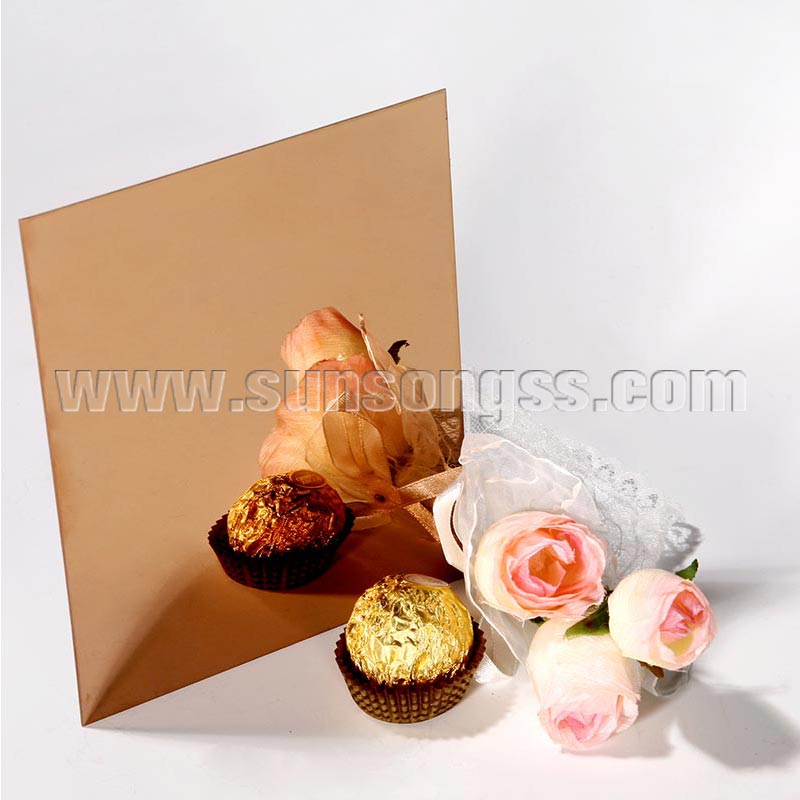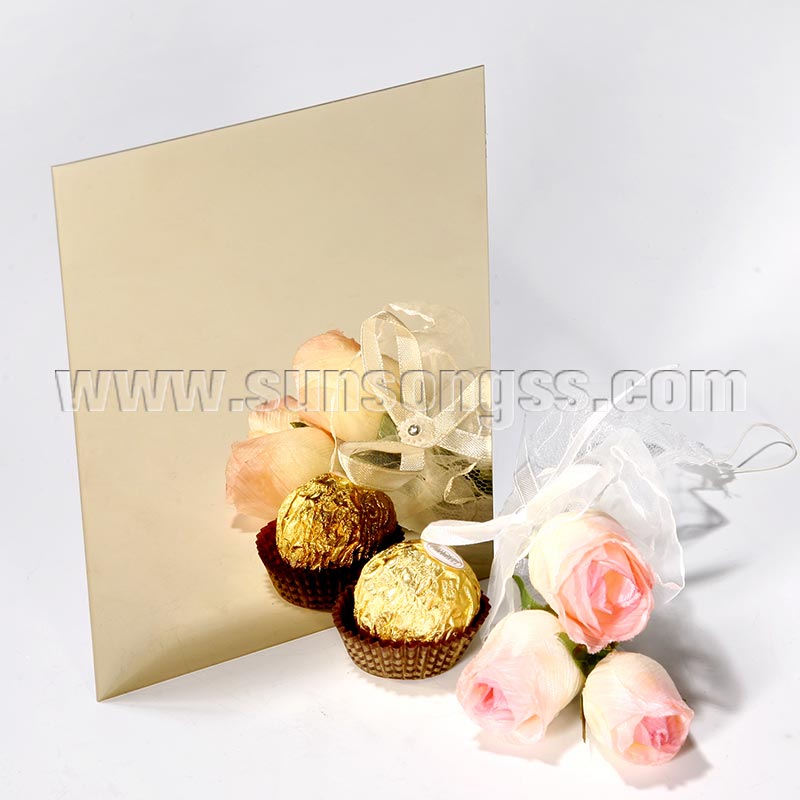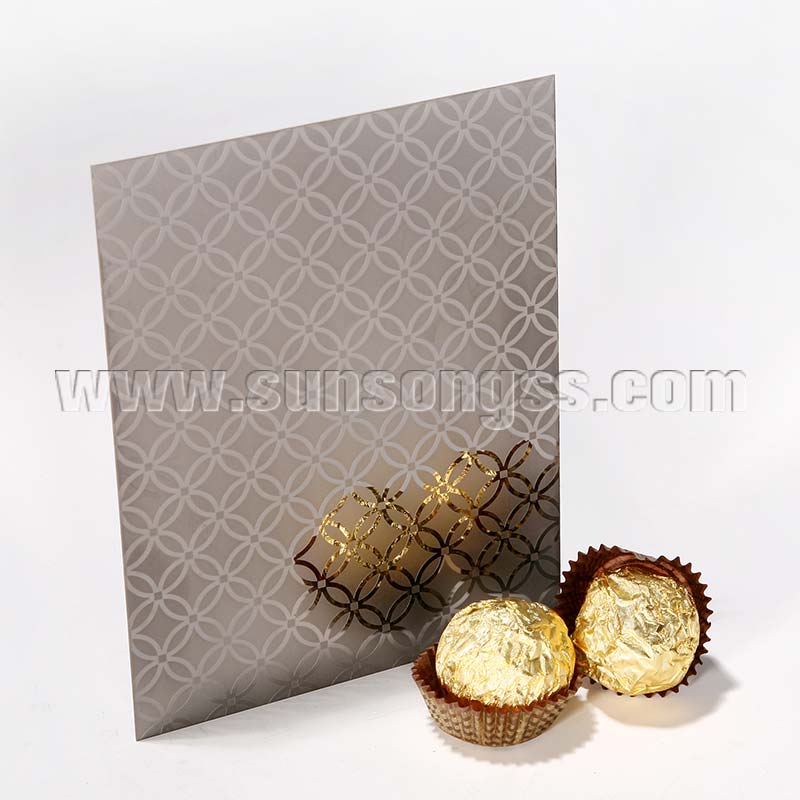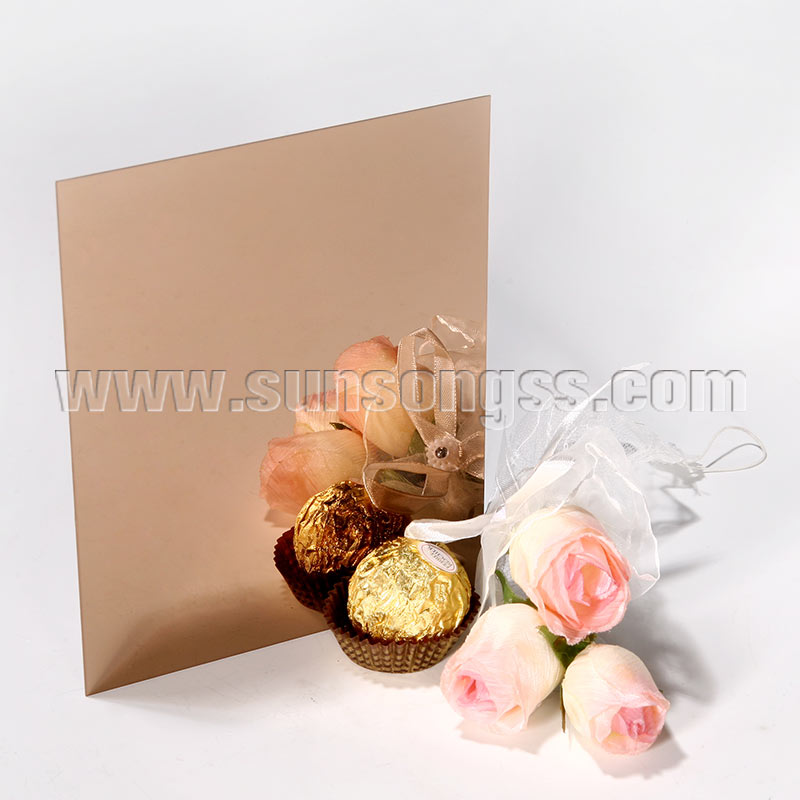

Vibration stainless steel is a practical choice for elevator interiors that need a modern look and daily durability. Elevator wall panels made from this finish can hide light scratches better than mirror polished sheets. The random brushed pattern gives each panel a controlled, textured appearance. A stainless steel surface finish also supports simple cleaning in busy buildings. Decorative metal cladding is available in different grades, thicknesses, and colors for residential, hotel, office, and public transport projects. For most indoor elevators, 304 stainless steel with a 0.8 to 1.5 mm thickness offers a balanced starting point.
This guide explains the benefits, applications, specifications, production process, and buying points for vibration stainless steel elevator decoration. It is written for overseas buyers, elevator contractors, architects, and distributors who need a stable product for repeated projects.

1. What Is Vibration Stainless Steel?
Vibration stainless steel is a sheet with a non-directional, repeated brushing pattern. The finish is created by moving abrasive belts or brushes across the surface in controlled directions. This creates short lines that overlap and form a soft vibration effect. Unlike a mirror finish, it does not reflect a clear image. Unlike a standard hairline finish, the pattern has less obvious one-way grain.
The finish is usually supplied on stainless steel grades such as 304 and 316. Grade 304 is widely used for indoor elevator cabins. Grade 316 contains molybdenum and provides better resistance in coastal, humid, or chemically active environments. The correct choice depends on the building location, cleaning products, humidity, and expected service life.
Key specification points
Common grades: 304 and 316 stainless steel.
Common thickness range: 0.6 to 2.0 mm for decorative panels.
Common sheet size: 1219 x 2438 mm, with custom sizes available.
Common finish: vibration, random brush, non-directional brush, or customized pattern.
Common protection: removable PVC film on the visible surface.
2. Why Is Vibration Finish Suitable for Elevators?
An elevator is a high-contact space. Passengers touch wall panels, luggage can hit corners, and cleaning teams wipe the surface many times each week. A decorative finish must therefore do more than look attractive. It should reduce visible wear, support fast cleaning, and remain stable after forming and installation.
-
It hides light scratches and fingerprints
Vibration patterns break up reflected light. Small marks are less noticeable than they are on mirror or highly polished stainless steel. This does not make the sheet scratch-proof, but it can improve the visual condition of the elevator between maintenance visits.
-
It creates a modern commercial appearance
The soft random pattern works with glass, stone, wood, LED lighting, and painted panels. It can support both a warm residential design and a clean office design. Buyers can also select champagne, black, bronze, gold, or other PVD colors when a standard silver finish is not suitable.
-
It supports easy daily cleaning
Stainless steel has a smooth, non-porous surface. Dust, fingerprints, and common surface dirt can usually be removed with a soft cloth and a neutral cleaner. Cleaning should follow the grain direction where a visible directional pattern is present.
-
It offers good corrosion resistance
304 stainless steel performs well in most dry indoor buildings. For seaside buildings, swimming pool areas, or locations with high humidity, 316 stainless steel may provide a safer material choice. Regular cleaning is still needed because salt and chemical residue can damage any metal surface.
-
It supports fabrication and installation
Stainless steel sheets can be cut, bent, folded, welded, and bonded to a backing structure. This allows the same finish to be used for wall panels, door frames, handrails, kick plates, and ceiling trims. Fabrication must be controlled to avoid dents, heat marks, and uneven patterns.
-
It improves project consistency
A professional manufacturer can keep the same grade, thickness, color, and finish across several production batches. This is important for elevator projects where panels from different areas must match under the same lighting.
-
It can lower long-term appearance costs
The main saving is not always the lowest purchase price. A finish that hides normal handling marks may reduce polishing, panel replacement, and frequent appearance repairs. The actual result depends on material grade, installation quality, cleaning practice, and passenger traffic.
3. Vibration Stainless Steel Compared With Other Elevator Finishes
Buyers often compare vibration stainless steel with mirror, hairline, bead blasted, and colored PVD finishes. The best option depends on the required appearance, traffic level, cleaning plan, and project budget. The table below gives a practical starting comparison.
| Finish | Visual effect | Scratch visibility | Cleaning demand | Typical elevator use |
|---|---|---|---|---|
| Vibration | Random soft texture | Low to medium | Low to medium | Busy cabins and public areas |
| Mirror | Clear reflective surface | High | High | Luxury decorative sections |
| Hairline | Long directional lines | Medium | Medium | Walls, doors, and trim |
| Bead blasted | Fine matte texture | Low to medium | Medium | Modern matte interiors |
| PVD colored | Colored metallic surface | Depends on base finish | Medium | Feature walls and premium cabins |
Simple selection rule
Choose vibration for high passenger contact and a low-reflection appearance. Choose mirror when reflection is the main design goal. Choose hairline when the project needs clear linear direction. Choose PVD color when the interior design requires a bronze, gold, black, or champagne tone.
4. Main Applications in Elevator Decoration
Vibration stainless steel is not limited to one cabin wall. It can be processed into several elevator components and related building products. Using one finish across several parts can create a more complete design and simplify material purchasing.
-
Elevator cabin wall panels
Large wall panels are the most common application. The sheet can be installed as a flat panel or formed around corners. A backing board, honeycomb panel, or folded reinforcement may be used to improve stiffness and reduce panel vibration.
-
Elevator doors and door frames
Vibration stainless steel can cover door faces, jambs, and header sections. The pattern should be aligned across adjacent panels when the design requires a continuous appearance.
-
Handrails and protective sections
Handrails, waist rails, kick plates, and corner guards receive frequent contact. A textured surface can help reduce the visual effect of fingerprints and light handling marks.
-
Ceiling trims and lighting surrounds
The finish can be used around light openings, ventilation grilles, and ceiling borders. It reflects enough light to add detail without creating the strong reflection of a mirror panel.
-
Elevator lobby decoration
Lobby wall cladding, call button panels, sign frames, and protective columns can match the cabin finish. This creates visual continuity between the elevator and the surrounding corridor.
-
Related commercial interiors
The same sheet can be used for hotel reception areas, escalator panels, airport counters, retail fixtures, and wall columns. Distributors can therefore offer one finish for several interior applications.
5. How Vibration Stainless Steel Is Made for Elevator Projects
Quality depends on both the stainless steel base sheet and the surface treatment. A clear process helps buyers check production control and reduce defects after installation.
Step-by-step production flow
- Step 1: Confirm the grade, thickness, sheet size, color, finish pattern, and quantity.
- Step 2: Check the raw stainless steel coil or sheet for thickness, flatness, and surface defects.
- Step 3: Clean and prepare the surface before brushing or vibration treatment.
- Step 4: Apply the vibration pattern with controlled abrasive belts or brushes.
- Step 5: Inspect the pattern under standard lighting from several viewing angles.
- Step 6: Apply PVD color or other treatment if the project requires a colored finish.
- Step 7: Cut, bend, punch, weld, or fabricate the sheet according to approved drawings.
- Step 8: Add protective film and pack the panels with moisture and impact protection.
- Step 9: Complete final inspection before shipment to the overseas buyer or distributor.
For large elevator programs, request a physical sample before mass production. A sample can confirm color, pattern density, gloss level, thickness, and compatibility with the project lighting. SUNSONG can use an approved sample as a reference for later production batches.
6. What Should Buyers Check Before Ordering?
A low quotation does not show the complete value of a stainless steel sheet. Buyers should compare the technical details, protection method, fabrication service, and packing standard. The following checklist can prevent common purchasing problems.
Material and surface checks
Confirm whether the material is 304 or 316 stainless steel.
Request the actual thickness, not only the nominal thickness.
Confirm whether the finish is vibration, random brush, or another texture.
Ask for a sample when color and pattern matching are important.
Check whether the protective film is suitable for cutting and installation.
Fabrication and project checks
Provide CAD drawings with panel dimensions, holes, bends, and edge details.
Confirm the acceptable tolerance for length, width, flatness, and hole position.
Ask how the supplier controls welding marks, corner joints, and pattern direction.
Confirm the packing method for sea freight and long-distance handling.
Agree on inspection photos, sample approval, and batch identification before shipment.
7. Maintenance and Cleaning Guide
Correct cleaning keeps the vibration pattern clear and helps protect the stainless steel surface. First remove loose dust with a soft cloth. Then use clean water or a mild neutral cleaner. Wipe with a clean microfiber cloth and dry the surface to prevent water spots.
Do not use steel wool, rough abrasive pads, chlorine bleach, or strong acid cleaners. Do not rub across the pattern with heavy pressure. If a chemical cleaner is needed, test it on a hidden area first and follow the cleaner manufacturer's instructions.
Recommended cleaning cycle
| Location | Suggested cleaning frequency | Recommended method |
|---|---|---|
| Residential elevator | One to three times each week | Soft cloth and neutral cleaner |
| Office building | Daily light cleaning, weekly detailed cleaning | Microfiber cloth and clean water |
| Hotel or shopping center | Daily or several times each day | Frequent spot cleaning and dry wiping |
| Coastal or humid site | More frequent inspection | Remove salt and moisture residue quickly |
8. Common Problems and Practical Solutions
-
Uneven vibration pattern
This may result from unstable abrasive pressure, inconsistent speed, or different raw material batches. Request a signed sample and compare each production batch with it.
-
Visible fingerprints after installation
Fingerprints can appear on any metal finish, especially under strong lighting. A non-directional vibration pattern usually reduces their visual impact. Final cleaning after installation is still necessary.
-
Color difference between panels
PVD colored sheets can vary when production settings or base finishes change. Use one production batch for visible adjoining panels whenever possible.
-
Dents during transportation
Use corner protection, separating layers, strong pallets, and moisture-resistant packing. Keep the protective film on the sheet until installation is complete.
-
Scratches caused by installation
Store panels vertically or on a protected flat surface. Use clean gloves and remove metal chips before sliding one panel over another.
9. Final Buying Recommendation
For most indoor elevator decoration projects, start with 304 vibration stainless steel in a 0.8 to 1.5 mm thickness. Select 316 when the building is near the sea, exposed to high humidity, or subject to more aggressive cleaning conditions. Use a physical sample to approve the pattern, color, gloss, and panel quality before mass production.
Vibration stainless steel combines a controlled modern appearance with practical resistance to daily marks. Its strongest value is the balance between design, cleaning, fabrication, and long-term visual performance. With correct grade selection, stable production, careful packing, and proper maintenance, it can serve elevator cabins and many related commercial interiors. SUNSONG supports overseas buyers and distributors with stainless steel sheet options, surface finishes, and project-based fabrication requirements.
10. Frequently Asked Questions
Is vibration stainless steel better than mirror stainless steel for elevators?
It is often more practical for busy elevators because the textured pattern can make light scratches and fingerprints less visible. Mirror stainless steel may be better when a strong reflective luxury effect is the main goal.
Which stainless steel grade is best for elevator decoration?
304 is a common choice for normal indoor conditions. 316 is more suitable for coastal, humid, or chemically demanding environments. The final choice should consider the building location and cleaning conditions.
Can vibration stainless steel be colored?
Yes. It can receive PVD colors such as champagne, bronze, gold, black, and other customized tones. The base vibration pattern and color should be approved with a sample before production.
Can the sheet be cut and bent for elevator panels?
Yes. It can be cut, punched, bent, welded, or formed according to approved drawings. Fabrication settings should be tested because sharp tools and poor handling can damage the visible finish.
How should vibration stainless steel be cleaned?
Use a soft microfiber cloth, clean water, and a mild neutral cleaner. Avoid steel wool, strong acids, chlorine products, and rough abrasive pads. Keep the protective film on during fabrication and remove it after installation.