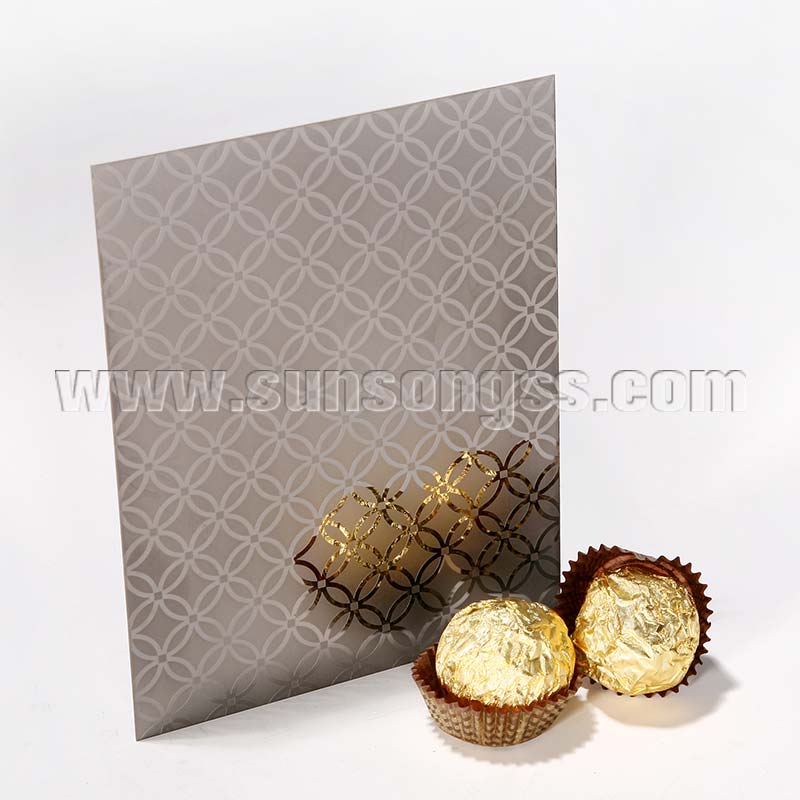

Stainless steel sheet maintenance helps protect the surface, finish, and service life of stainless steel products. Regular cleaning, proper stain removal, and corrosion prevention are the main parts of a reliable care plan. These methods are useful for brushed stainless steel, mirror polished stainless steel, and satin finish stainless steel. With the correct routine, many sheets can keep a clean appearance for 10 years or more in suitable conditions.
Stainless steel does not need difficult care, but it does need the right care. Fingerprints, dust, salt, water spots, oil, and iron particles can change the appearance of the surface. The damage often starts as a small mark and becomes harder to remove when it remains for weeks or months.

SUNSONG supplies stainless steel sheets for overseas buyers, distributors, fabricators, and industrial users. This guide explains how to clean stainless steel sheet, remove common stains, avoid scratches, and store sheets correctly for long-term appearance.
1. Understand What Damages Stainless Steel Sheet Surfaces
Stainless steel contains chromium. This element helps form a thin passive film that protects the metal from corrosion. The film can repair itself when the surface is clean and exposed to air. However, harsh chemicals, rough tools, trapped moisture, and contamination can weaken this protection.
Common causes of surface damage
- Dust and dirt that hold moisture against the sheet
- Fingerprints and skin oil on visible surfaces
- Salt deposits from coastal air or road spray
- Iron dust from carbon steel cutting or grinding
- Chloride cleaners, bleach, and hydrochloric acid
- Steel wool, wire brushes, and abrasive pads
- Water left to dry on the surface
- Incorrect storage with plastic film or wet packaging
Surface finish also affects maintenance. A mirror finish shows fingerprints quickly but is easy to wipe when handled carefully. A brushed finish hides small marks better, but cleaning across the grain can create visible lines. A textured or embossed sheet may hold dust in its pattern and require a soft brush.
Quick answer for buyers
The safest basic method is simple: remove loose dirt, wash with warm water and a mild detergent, wipe in the direction of the grain, rinse with clean water, and dry the sheet completely. Test any special cleaner on a small hidden area before applying it to the full surface.
2. Follow a Safe Stainless Steel Cleaning Process
Most daily marks can be removed with low-risk cleaning. The goal is to clean the surface without removing the natural protective film or changing the finish. Use clean tools only. A cloth used on carbon steel can transfer iron particles and create rust-colored spots.
Recommended cleaning materials
- Clean warm water
- Neutral or mild liquid detergent
- Soft microfiber cloth
- Non-abrasive sponge
- Soft nylon brush for textured surfaces
- Clean water for rinsing
- Dry lint-free cloth
Step-by-step cleaning flow chart
- Inspect the sheet and identify the type of mark.
- Remove loose dust with a soft, dry cloth.
- Mix warm water with a small amount of mild detergent.
- Wipe in the direction of the grain or surface pattern.
- Rinse with clean water to remove detergent residue.
- Dry immediately with a clean lint-free cloth.
- Inspect the sheet under normal light.
- Repeat with a suitable stain treatment only if needed.
Do not let detergent dry on the sheet. Residue can create cloudy marks and attract more dust. For large panels, work in sections of about 1 to 2 square meters. This helps the operator rinse and dry each section before water spots appear.
Cleaning frequency guide
| Application condition | Suggested cleaning interval | Main reason |
|---|---|---|
| Indoor office or retail area | Every 1 to 3 months | Remove fingerprints and dust |
| Food processing or kitchen area | Daily or after each production shift | Control oil, salt, and food residue |
| Coastal outdoor location | Every 2 to 4 weeks | Remove chloride and salt deposits |
| Industrial environment | Weekly to monthly | Limit chemical and dust buildup |
| Low pollution indoor storage | Every 3 to 6 months | Prevent trapped dust and moisture |
3. Remove Stains Without Creating New Damage
Different stains need different treatments. First identify the stain, then select the least aggressive method. Never begin with a strong acid or abrasive cleaner when warm water and mild detergent may solve the problem.
Fingerprints and light oil
Clean fingerprints with warm water and mild detergent. Wipe with a microfiber cloth along the grain. For stubborn oil, use a small amount of an approved stainless steel cleaner or diluted household detergent. Rinse the area and dry it fully. A dry surface reduces new fingerprints and water marks.
Water spots and mineral deposits
Water spots are common when hard water dries on the sheet. Begin with warm water and a soft cloth. If marks remain, use a mild citric acid based cleaner designed for stainless steel. Apply it for the shortest time stated by the product maker, rinse well, and dry immediately.
Do not use concentrated acids on a decorative or polished sheet without a small-area test. Acid residue left on the surface can cause discoloration, especially in warm or humid conditions.
Rust-colored spots and iron contamination
Small orange or brown marks may come from iron dust rather than failure of the stainless steel itself. This can happen after cutting, drilling, welding, or grinding carbon steel nearby. Use a stainless steel safe iron contamination remover. Do not scrub with steel wool or a carbon steel brush.
If contamination is heavy, professional cleaning and passivation may be required. Passivation supports the formation of the protective chromium-rich surface film after fabrication. The correct treatment depends on the stainless steel grade, finish, and production process.
Adhesive, tape, and protective film residue
Remove tape residue with a plastic scraper and a cleaner approved for stainless steel. Keep the scraper flat and use light pressure. Do not use a metal blade on a visible surface. For factory protective film, remove it as soon as practical after installation, especially in direct sunlight or high heat.
Paint, cement, and weld discoloration
Paint and cement should be removed before they harden. Use a plastic tool and a suitable cleaner. Weld heat tint may require a specialized pickling or passivation process. This work should be handled by trained personnel because incorrect chemicals can damage the finish and create safety risks.
4. Compare Cleaning Tools and Chemicals Before Use
The wrong tool can create permanent scratches within seconds. Tool selection should match the surface finish and the type of dirt. Always use tools that have not touched mild steel or carbon steel.
| Material or tool | General suitability | Risk level | Recommended use |
|---|---|---|---|
| Microfiber cloth | Excellent | Low | Daily dust, fingerprints, and light oil |
| Mild detergent | Excellent | Low | Routine washing |
| Soft nylon brush | Good | Low | Embossed or textured sheets |
| Approved stainless steel cleaner | Good | Medium | Oil, stains, and appearance care |
| Plastic scraper | Good | Low | Adhesive and solid residue |
| Steel wool | Not recommended | High | May scratch and transfer iron particles |
| Wire brush | Not recommended | High | Can create scratches and rust spots |
| Chlorine bleach | Not recommended | High | May cause pitting and discoloration |
| Hydrochloric acid | Not recommended | Very high | Can cause rapid corrosion |
Never mix cleaning chemicals. Do not combine bleach with acids, ammonia, or other cleaners. Read the safety data and product instructions before use. Workers should wear suitable gloves and eye protection when using chemical products.
5. Protect the Grain, Finish, and Edges
Stainless steel sheet appearance depends on more than chemical resistance. Mechanical handling can also affect the surface. When cleaning brushed stainless steel, move the cloth in the same direction as the visible lines. Wiping in circles or across the grain may leave uneven marks.
Surface finish care guide
| Surface finish | Best cleaning direction | Main maintenance concern |
|---|---|---|
| Brushed or hairline | Follow the grain | Cross-grain scratches |
| Mirror polished | Use straight, light strokes | Fingerprints and fine scratches |
| Satin finish | Follow the surface pattern | Cloudy cleaner residue |
| Embossed or patterned | Use a soft nylon brush | Dust trapped in recesses |
| Matte finish | Use light pressure | Uneven bright spots |
Protect corners and edges during transport. A damaged edge may collect water, dirt, and chemicals. Use clean separators between sheets and avoid dragging one sheet across another. Lift sheets with clean gloves or approved lifting equipment.
For visible architectural panels, inspect the surface from a distance of 1 to 3 meters under normal lighting. Very close inspection under strong spotlights may show minor marks that are not visible during normal use.
6. Store Stainless Steel Sheets Correctly Before Installation
Good storage is part of stainless steel sheet maintenance. Store sheets in a dry, clean, and ventilated area. Keep them away from carbon steel, copper dust, cement dust, salt, and chemical vapors. Mixed-metal storage can create contamination and staining.
- Place sheets on clean supports above the floor.
- Keep the stack level to reduce bending and edge damage.
- Use clean paper, plastic, or soft separators.
- Prevent rain, condensation, and standing water.
- Keep protective film dry and free from trapped moisture.
- Check stored sheets at least once every 30 days.
- Remove wet packaging immediately and allow ventilation.
Protective film is useful during fabrication and installation, but it is not a substitute for dry storage. Heat and sunlight can make adhesive residue harder to remove. If sheets arrive wet, open the packaging, separate the sheets, and dry them before stacking again.
7. Use a Preventive Maintenance Plan for Large Projects
A written plan helps distributors and project teams keep appearance consistent across many sheets. Record the stainless steel grade, surface finish, installation area, cleaner used, cleaning date, and inspection result. This information is useful when a buyer needs to trace a mark or compare panels from different batches.
Simple inspection checklist
- Are there fingerprints, oil marks, or water spots?
- Are there orange or brown iron contamination marks?
- Are scratches aligned with or across the grain?
- Is protective film still attached after installation?
- Are edges exposed to standing water?
- Are nearby carbon steel operations creating dust?
- Has the cleaning product been tested on the same finish?
- Was the sheet rinsed and dried after cleaning?
For coastal or industrial projects, increase inspection frequency. Chloride and chemical deposits can become more harmful as they remain wet. Cleaning within 24 hours after exposure to salt spray or chemical dust can reduce the chance of stubborn staining.
8. Maintenance Mistakes That Reduce Long-Term Appearance
Using strong chemicals for ordinary dirt
Strong chemicals are not a sign of better cleaning. They can attack the passive film and change the surface color. Start with water and mild detergent. Escalate only when the stain requires a special method.
Cleaning across the grain
Cross-grain wiping can create bright lines on brushed finishes. Follow the original grain direction, use low pressure, and replace the cloth when it becomes dirty.
Leaving the surface wet
Water may contain minerals and salts. When it dries, it leaves deposits that make the sheet look dull. Drying takes less than one minute for many small panels and is one of the easiest ways to improve appearance.
Using contaminated tools
A brush or pad used on ordinary steel can transfer iron to stainless steel. Keep stainless steel tools separate, clean, and clearly identified. This is especially important in metal fabrication workshops.
Ignoring small stains
Small deposits become harder to remove when exposed to heat, moisture, and chemicals. Inspect visible panels regularly and clean marks before they become bonded to the surface.
Frequently Asked Questions About Stainless Steel Sheet Maintenance
How often should stainless steel sheets be cleaned?
Indoor sheets may need cleaning every 1 to 3 months. Food, coastal, and industrial applications may need weekly, daily, or monthly cleaning. The correct interval depends on salt, dust, humidity, handling, and chemical exposure.
Can vinegar be used on stainless steel sheet?
Diluted vinegar may remove light mineral deposits, but it should be tested first. Do not leave it on the surface for a long time. Rinse with clean water and dry the sheet after treatment. Avoid vinegar near sensitive coatings, seals, or mixed metals unless compatibility is confirmed.
What is the best cleaner for brushed stainless steel?
Warm water and mild detergent are the safest first choice. Use a microfiber cloth and follow the grain. For difficult stains, select a cleaner made for stainless steel and test it on a hidden area before full application.
Why does stainless steel develop rust spots?
Rust-colored spots often result from iron contamination, salt deposits, chemical exposure, or trapped moisture. Nearby grinding of carbon steel is a common cause. Remove the source and use a suitable contamination remover rather than steel wool.
How can buyers keep stainless steel sheets looking new?
Choose the correct finish for the application, protect sheets during transport, store them dry, use clean tools, clean on a fixed schedule, and remove salt or chemical deposits quickly. Clear maintenance instructions should be included with every project handover.
Conclusion: A Simple Routine Protects Stainless Steel Appearance
Long-term stainless steel sheet appearance depends on five habits: clean regularly, use mild products first, follow the grain, prevent iron and chloride contamination, and store sheets in dry conditions. Most surface problems become easier to control when they are found early.
For overseas buyers and distributors, product quality includes both the sheet and the maintenance guidance. SUNSONG can support project planning with stainless steel sheets in different grades, thicknesses, sizes, and surface finishes. Correct handling from delivery through installation helps the material maintain its clean appearance and service value for many years.